Blue hour
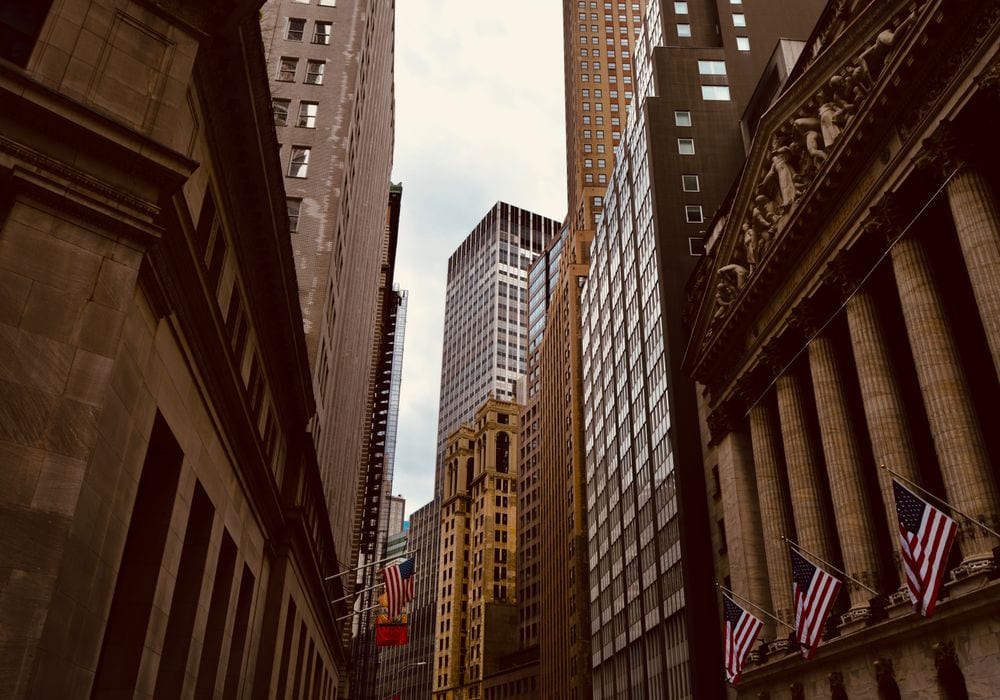
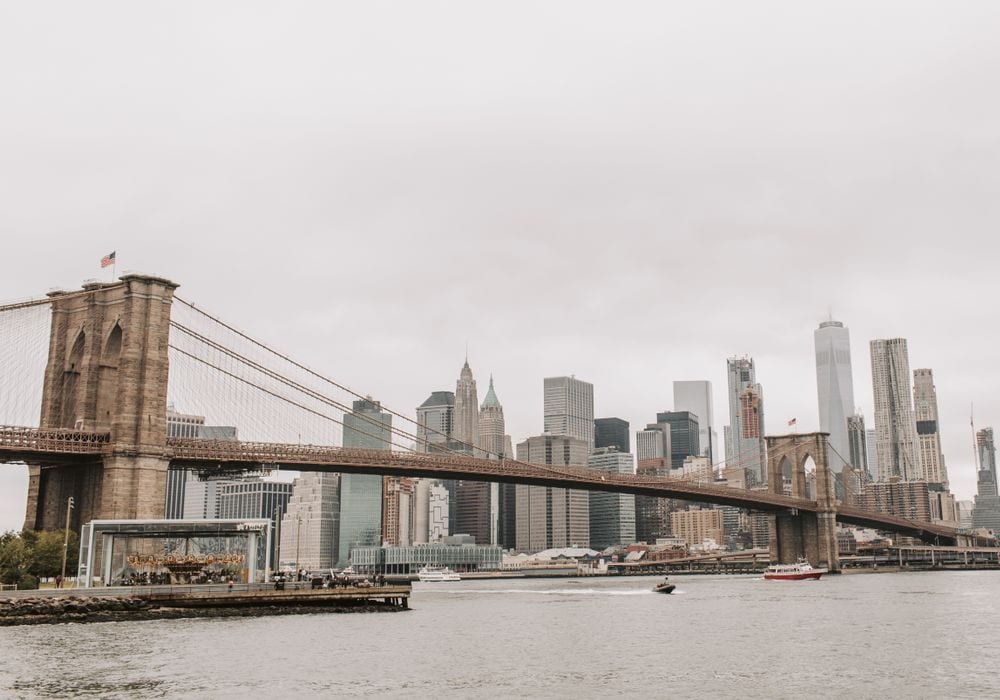
For twenty to thirty minutes after sunset the sky still holds deep blue while the building lights are already on. It is the best window for city photography, and the entire route is built around it.
Once that window closes the sky goes flat black and the image loses a great deal of depth. That is why the first stop starts strictly on time — arriving late genuinely means missing it.
A phone is fine
Phone night modes have become very good, and most people leave with results that surprise them. What we teach is composition, stability and the basic logic of editing, none of which depends on your equipment.
- Bracing the phone against a railing or a wall beats any stabilisation software.
- Turn the flash off — it lights up three meters of air and nothing else.
- Tap the brightest part of the frame to focus, then pull the exposure down so the lights are not blown out.
- With even a small tripod you can capture light trails, and the difference is enormous.
If you brought a camera
Bring a wide lens (16–35mm equivalent) and a light tripod. We go through aperture, shutter and ISO one person at a time and explain why each choice suits this particular scene. Not knowing manual mode is fine — that is exactly what the session is for.
Staying safe
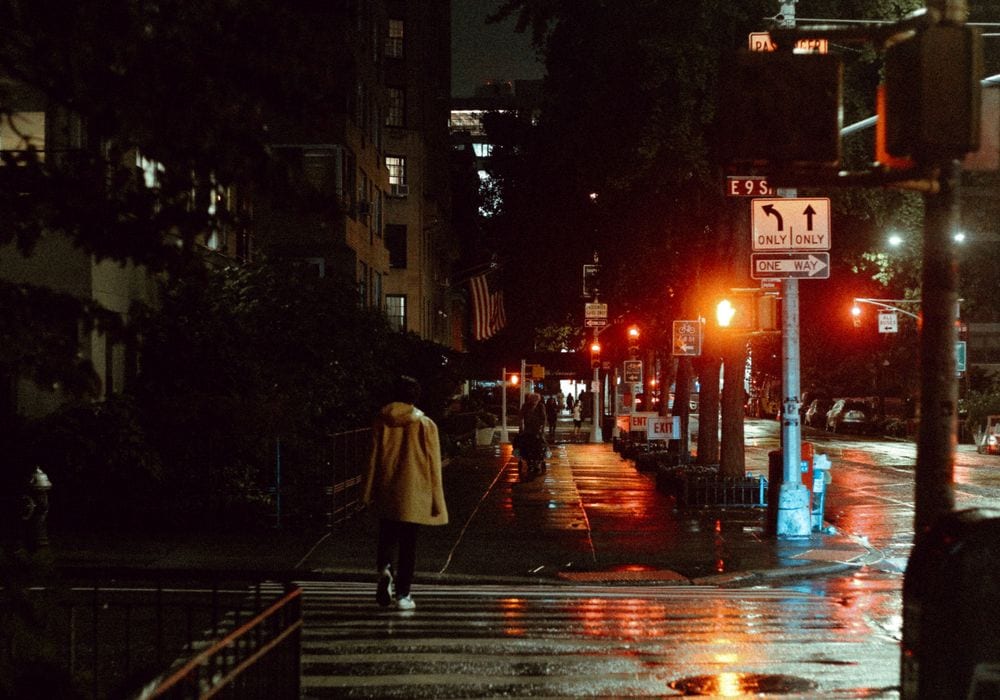
Using gear on the street at night means paying attention to your surroundings. All five locations are busy, well-lit places and the guide keeps an eye on the group throughout.
Weather
Overcast is actually good — cloud reflects the city’s light and stops the sky going dead. Rain is the real problem, because water on the lens is hard to manage. We reschedule when it rains.